
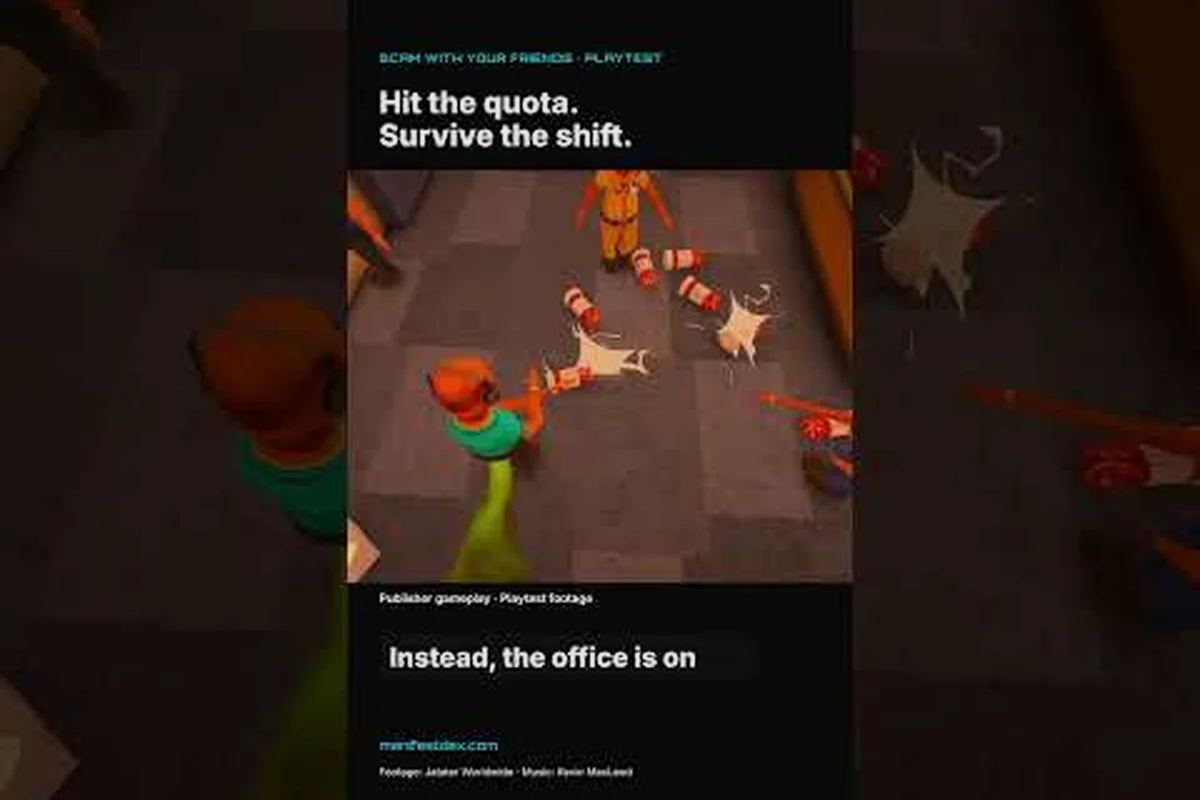
Every shift in Scam With Your Friends eventually throws a hostile caller at you, and how you handle that rage decides whether your office survives the night. This guide breaks down hostile callers, emergency response timing, and office safety tactics so you can keep the line calm when a caller snaps.
Why Hostile Callers Change the Whole Shift
A hostile caller is not just a louder version of a normal customer. In Scam With Your Friends, an angry caller escalates through distinct stages, and each stage gives you a shrinking window to respond before the situation spirals into a full disaster. An angry caller moves through three broad stages: irritation, shouting, and finally a point where the caller stops listening entirely and penalties start stacking.
The core reason hostile callers matter is that they punish hesitation. A normal call rewards patience and careful script reading, but a hostile caller rewards speed and correct de-escalation choices. If you treat an angry caller like a routine conversation, you burn your response window and eat a strike.
-
Irritation stage — caller tone sharpens, first warning signs appear
-
Shouting stage — volume spikes, normal dialogue options start failing
-
Total loss of control — caller ignores logic and the call deteriorates fast
Understanding this progression is what separates a clean shift from a full disaster, because each stage demands a different response speed. While the caller is only irritated, a calm scripted reply still works and costs you nothing. Once they start shouting, standard dialogue options begin failing, so you must switch to de-escalation choices before the caller locks you out of reasoning entirely. Players who internalize this progression report that the same composure carries into every other call type, making routine scam calls and emergency responses feel noticeably easier to manage.
The Escalation Ladder Explained
Each stage has a tell. While the caller is irritated, they repeat a complaint and your standard responses still land. Once shouting begins, generic replies stop working and you need a targeted de-escalation line. Full loss of control is the point of no return — from there, only emergency response actions prevent a strike. Recognizing which stage you are in lets you pick the right response instead of guessing.
Reading the Angry Caller's Signals
An angry caller telegraphs intent before they lose control entirely. Learning these signals is the fastest way to prevent a hostile call from becoming a disaster. In practice, callers who reach the shouting stage almost always display at least one physical or vocal cue in the two responses before they snap.
| Signal | Stage | Correct Response |
|---|---|---|
| Repeated complaint | Irritation | Acknowledge and redirect |
| Volume increase | Shouting | Targeted de-escalation line |
| Interrupting your lines | Shouting | Pause, then calm reply |
| Ignoring all logic | Total loss of control | Emergency response action |
| Silence then burst | Total loss of control | Immediate damage control |
The table above is your quick-reference cheat sheet. If you see a repeated complaint, you still have room to steer the call. If the caller is interrupting your lines, you are already in shouting territory and need the de-escalation toolkit. Silence followed by a sudden burst is the classic sign that control is about to go, and that is when emergency response becomes mandatory.
Matching Tone to Stage
Tone matters as much as wording. A calm, measured reply during irritation keeps the caller in stage one, while a defensive or sarcastic tone pushes them straight toward rage. Community players note that matching your tone to the caller's stage — soft and steady early, firm and clear later — noticeably reduces how often callers lose control, compared with using one script for every call.
Caller Rage Mechanics and Response Windows
Caller rage in Scam With Your Friends runs on a hidden clock. Every hostile caller gives you a response window, and each wrong choice shrinks it. Once the window closes, the call turns hostile and office safety drops. This is why speed matters more than perfection once a caller starts to boil over.
| Rage Stage | Response Window | Cost of a Wrong Choice |
|---|---|---|
| Irritation | Long | Minor safety drop |
| Shouting | Medium | Moderate safety drop |
| Total loss of control | Short | Severe safety drop |
| Post-snap | None | Strike recorded |
These bands reflect general community observations rather than fixed official values, and exact timing varies by version. The practical takeaway is simple: the earlier you intervene, the more room you have to recover. Waiting until the caller has already lost control means working with the shortest window and the harshest penalty.
How De-escalation Lines Work
De-escalation lines are the primary tool for pulling a caller back down the ladder. A well-timed line during the shouting stage can reset the caller to irritation, buying you extra responses. The trick is choosing a line that matches the caller's complaint type — a generic apology rarely works once shouting begins. Players who keep a mental map of complaint-to-response pairings handle rage events far more smoothly than those who improvise.
Building an Emergency Response Drill
An emergency response drill is a repeatable routine you run the moment a caller loses control. Instead of panicking, you execute a fixed sequence. This is the heart of any solid disaster guide, because consistency beats improvisation under pressure.
-
Step 1: Freeze the script — stop reading normal lines, they no longer work
-
Step 2: Deploy the calm reply — use your strongest de-escalation option
-
Step 3: Absorb the burst — let the caller vent without interrupting
-
Step 4: Redirect — steer toward a resolution option
-
Step 5: Log the call — record the outcome to protect your office safety
Running this drill repeatedly turns a chaotic escalation into muscle memory, which matters because the caller's burst is time-pressured: every second you spend deliberating between your calm reply and a Redirect option is a second the hostile caller keeps escalating. Community players who rehearse the five-step sequence report fewer strikes and steadier shift coverage, since they are not deciding what to do mid-crisis — they are just executing. Treat each rep like a fire drill for your disaster guide: freeze the script, deploy the calm reply, absorb the burst, redirect, then log the call, until the whole chain fires without conscious thought.
Timing the Drill to the Window
The drill only works if you start it inside the response window. Starting at the shouting stage gives you breathing room; starting once the caller has lost control means racing the timer. The best habit is to trigger the drill the moment you see the second escalation signal, so you are already mid-sequence when control goes. That head start is often the entire difference between a saved call and a recorded strike.
Protecting Office Safety During a Rage Event
Office safety is the resource hostile callers attack. Every failed de-escalation chips away at it, and once it drops too low, your shift ends badly. Treating office safety as a resource changes how you approach angry callers — you stop chasing perfect calls and start protecting what is left.
| How much safety is left | Risk | Recommended Action |
|---|---|---|
| Plenty | Low | Handle calls normally |
| Slipping | Rising | Prioritize de-escalation |
| Low | High | Trigger emergency drill early |
| Critical | Severe | Cut losses, protect remaining calls |
The safest strategy is never to let safety reach critical. That means intervening early, even on calls that look manageable. A caller who seems fine during irritation can spike fast, and the cost of an early de-escalation is far lower than the cost of a late one. Players who protect office safety proactively tend to finish more shifts cleanly than those who react only when things go wrong.
Coordinating With Your Team
When you play with friends, office safety becomes a shared responsibility. One player can handle the hostile caller while another manages the queue, and a third watches for warning signs. This division of labor mirrors the call flow described in the office operations guide, where transferred calls and desk management keep the whole team stable. Coordinating roles means no single player absorbs all the rage pressure, which keeps the office standing through even the worst disaster.
Advanced Hostile Caller Tactics
Once the basics are solid, advanced tactics let you turn hostile callers into an advantage. The key insight is that rage events, handled well, can actually boost your shift performance rather than damage it. In practice, clean resolutions sometimes rebuild safety faster than expected.
-
Pre-emptive calming — de-escalate before the shouting stage to bank extra responses
-
Pattern recognition — memorize which caller types spike fastest
-
Loadout awareness — some caller personalities respond better to specific lines
-
Recovery stacking — chain clean resolutions to rebuild safety faster
The caller types you face matter here. Different personalities escalate at different speeds, and knowing your roster helps you prepare. A quick look at the caller personality breakdown shows how custom and preset personalities behave, which lets you predict which ones are most likely to snap. Pairing that knowledge with a solid drill turns unpredictable rage into a manageable routine.
When to Cut Losses
Not every call is winnable. When office safety is critical and a caller has already lost control, the smart move is sometimes to end the call and protect the rest of your shift. Cutting losses early preserves office safety for winnable calls later. Players who accept this trade-off consistently outperform those who fight every losing battle to the bitter end.
Common Mistakes With Angry Callers
Most failed rage events trace back to a handful of repeatable mistakes. The table below breaks down the four most common ones — ignoring early signals, using generic replies, waiting too long, and fighting losing calls — along with why each one hurts and how to fix it. Notice that the first three all shrink your reaction window: a caller who is merely irritated still gives you usable time to calm things down, while a caller already shouting leaves you almost none. That is why the fix column consistently points to acting earlier rather than reacting harder.
| Mistake | Why It Hurts | Fix |
|---|---|---|
| Ignoring early signals | Window shrinks fast | Act at irritation |
| Using generic replies | Fails during shouting | Match complaint type |
| Waiting too long | Shortest window | Start drill early |
| Fighting losing calls | Drains safety | Cut losses |
Each mistake shares a root cause: reacting too late. Hostile callers reward proactive players and punish passive ones. The table makes this concrete — a caller who is only irritated still gives you room to work, but one already shouting leaves almost none before the situation locks in. That gap explains why "act at irritation" and "start drill early" outperform any clever de-escalation line. In scam with your friends hostile callers scenarios, the escalation is predictable, so your first responses matter far more than everything that comes after. If you fix only one habit, make it early intervention — it solves most of the problems on this list at once.
Recovering After a Bad Call
A single bad call does not end a shift. After a strike, refocus on the next caller and rebuild safety through clean resolutions. Community players note that recovery is fastest when you return to basics: calm tone, correct lines, steady pacing. Treating a bad call as data rather than failure keeps your whole team composed, which matters most when the next hostile caller arrives.
Frequently Asked Questions
What triggers a hostile caller in Scam With Your Friends?
Hostile callers appear when a normal call escalates past the irritation stage, usually because of a wrong or delayed response. In practice, certain caller personalities spike faster than others, so recognizing your roster helps you anticipate which calls are most likely to turn hostile before the caller loses control.
How do I stop caller rage from spiralling out of control?
Intervene at the irritation or shouting stage with a targeted de-escalation line that matches the caller's complaint. Acting early resets the caller down the ladder and preserves your response window. Waiting until they have lost control gives you the shortest window and the harshest penalty, so early action is always the safer play.
What is the best emergency response sequence?
Freeze your normal script, deploy your strongest calm reply, absorb the burst without interrupting, redirect toward a resolution, then log the call. Running this fixed sequence repeatedly builds muscle memory, so you execute it automatically instead of deciding mid-crisis. Practice keeps the drill fast enough to beat the timer.
Does office safety recover after a rage event?
Yes, office safety can recover through clean resolutions on later calls. Chaining successful de-escalations rebuilds safety over time. If safety hits critical, cutting losses on a losing call protects it for winnable calls, which is often the smarter long-term strategy for surviving the shift.
Can hostile callers ever help my shift?
Handled cleanly, rage events can boost performance. In practice, well-handled hostile calls sometimes leave you better off than before, turning a threat into an advantage. The trick is early intervention and a practiced drill, which convert unpredictable rage into a manageable, even rewarding, routine.
Hostile callers are the toughest test Scam With Your Friends throws at your office, but they are also the most learnable. Read the signals early, run your emergency response drill inside the response window, and protect office safety like the resource it is. Do those three things and caller rage stops being a disaster and starts being just another call you know how to close.