
Progression
Run-based progression in Scam With Your Friends: daily quota, shop unlocks, promotions, desk upgrades, the boss performance review and permadeath risk.
Introduction
Progression covers how a run in Scam With Your Friends is structured, and it is the category where the game punishes assumptions hardest. Progression here is not a permanent account level that quietly grows in the background. It is run-based, which means progress belongs to the current working day and its wider arc rather than to your profile, and the daily performance review is the gate that decides whether that arc continues. Failing the review is not a setback, it ends the run, and that combination of run-based advancement and permanent death is what makes the priorities on this page matter. The systems involved are modest in number: shop unlocks, promotions that move office coworkers between floors, desk and office upgrades, and optional cosmetic items. What makes them interesting is that they compete for the same money the quota is measured against.
Run Priority Tiers
| Priority | Action | Why It Matters | Cost Of Skipping |
|---|---|---|---|
| S | Clear the daily quota before the review window closes | Promotions move office coworkers between floors and open new shifts | The review lands short and the run ends |
| A | Unlock the next scheme early in the run | A wider arsenal answers more caller types in the same working day | You keep refusing callers you could have converted |
| B | Buy desk and office upgrades that shorten call setup | Faster setup means more calls answered per shift | Money goes to cosmetics that never affect income |
| C | Consider cosmetic accessories last | Deluxe accessories are optional and do not change earnings | Almost none, beyond the gold watch option removed from Deluxe accessories |
| F | Never let a review pass with the quota short | Run-based progression plus permadeath means failure is final | The whole shift is lost, not just the day |
Priority Breakdown
Daily Quota (S Priority)
The spine of every run: a running target judged at the review, and the reason pacing matters more than any single conversation.
Scam Arsenal Unlocks (A Priority)
The investment that pays the most across a working day, because a wider arsenal answers callers you would otherwise have to refuse.
Desk And Office Upgrades (B Priority)
Purchases that shorten the distance between two calls, which is the only upgrade category that compounds inside a single shift.
Cosmetic Accessories (C Priority)
Optional appearance items that compete for the same money as efficiency upgrades, and never affect what you actually earn.
Review Failure (F Priority)
The end state the whole structure points toward: run-based progression plus permadeath means a short review does not cost points, it costs the run.
Core Mechanics
Progression runs on a small number of systems that interact more than they first appear to. The daily quota is the spine: it is a running total, judged at the performance review, and it resets with the working day rather than accumulating across a profile. Money earned during a run feeds the shop, where upgrades compete with cosmetics, and the upgrades that matter are the ones that shorten the distance between calls rather than the ones that change how the office looks. Promotions sit on top of that loop. Clearing quota reliably moves office coworkers between floors and opens new shifts, so the reward for consistency is structural rather than cosmetic. Underneath everything is the permadeath rule: progression is attached to the run, so a failed review does not cost you a level, it ends the arc you were building. That is why every decision in the shop is really a decision about how much buffer you are willing to trade for convenience.
Advantages
The run-based structure gives the game a clarity that permanent progression systems rarely have. Because the review is a hard gate and the run can genuinely end, every investment has a visible cost and a visible payoff within the same arc, so there is no way to grind past a mistake. That makes the upgrade decisions sharper: anything that shortens call setup compounds across a shift, and anything that does not is a luxury you can only justify once the quota is reliably secure. Promotions reward consistency rather than one lucky day, since moving coworkers between floors and opening new shifts is a consequence of clearing the review repeatedly. The adjustability of difficulty is also worth knowing about, because it lets a crew tune how much permadeath pressure they are signing up for instead of accepting a single fixed penalty.
Challenges
The trade-off for that clarity is unforgiving. Run-based progression plus permadeath means a single failed review discards the shift you built, and there is no gradual mechanism that softens the blow: recovery options exist within a run, but a run that has already ended cannot be salvaged. The systems involved are also sparsely documented. There is no published stat for what a promotion changes, what an upgrade is worth, or how the boss's review is scored, so plans have to be made from behaviour rather than from numbers, and a crew can lose a run learning something a single tooltip would have explained. Cosmetics add a further source of regret, since Deluxe accessories cost money that could have shortened call setup, and there is little in the interface to stop a player prioritising appearance over income in the first hour of a run.
Frequently Asked Questions
How does progression work in Scam With Your Friends?+
What happens if I fail the performance review?+
Should I spend money on upgrades or cosmetics?+
Can I change the difficulty?+
Quick Tips
Protect the review, not the single call. Because a failed review ends the run rather than merely costing points, the optimisation target is not the biggest possible conversation, it is a working day that cannot end short. That reframing changes practical decisions: you abandon dead calls faster, you bank quota earlier, and you spend the middle of the day on whichever format is most likely to complete rather than the most exciting one. A modest day that survives is always worth more than a spectacular one that does not.
Spend money on anything that shortens call setup. Desk and office upgrades compound across a working day because they reduce the dead time between conversations, and dead time is what the quota is actually measured against. Cosmetics do none of this: Deluxe accessories are purely optional and do not affect income, even after the gold watch option was removed from them. Buying appearance before efficiency is the most common way players quietly lose a run they were otherwise handling comfortably.
Bank the quota early and treat the surplus as insurance. A raid, a virus infection or an air strike can remove the rest of your working day without warning, and the only thing that survives those events is money already earned. Front-loading a buffer makes the middle of the shift calmer and turns a late disaster into an inconvenience rather than a run-ender. This costs nothing except the discipline to take the fast calls before the interesting ones, which is a genuinely cheap habit to build.
Lower the difficulty while you are still learning the systems. Run-based progression and permadeath mean a mistake teaches you something at the cost of the entire shift, which is an expensive classroom. Adjustable difficulty exists so that pressure can be dialled back while you work out how promotions, upgrades and the review window actually fit together. Raise it again once a review has been cleared a few times in a row, rather than treating the hardest setting as the correct place to learn.
Featured

Scam With Your Friends Character Unlocks: 100 Percent Run Rewards
Track every Scam With Your Friends character unlock on the road to 100 percent, from early run rewards to the long-term progression grind that keeps runs fresh.

Scam With Your Friends Efficiency Guide to Survive Bad Days
Turn a failing shift around with this Scam With Your Friends efficiency guide, covering office and desk upgrades that rescue comeback runs after a rough day.
Scam With Your Friends Fired Guide: Permadeath & Restarting
Bounce back after getting fired in Scam With Your Friends, with permadeath rules, save file handling, and adjustable difficulty to soften a brutal restart.
All Articles
Scam With Your Friends Hardest Difficulty: Best Payout Runs
Survive Scam With Your Friends hardest difficulty by learning the day cycle, how many days a run lasts, and the long grind behind the best payout runs.

Scam With Your Friends How to Get Promoted: Review Guide
Learn scam with your friends how to get promoted by passing the boss's review, hitting performance targets, and dodging the rageaholic boss before he fires you.
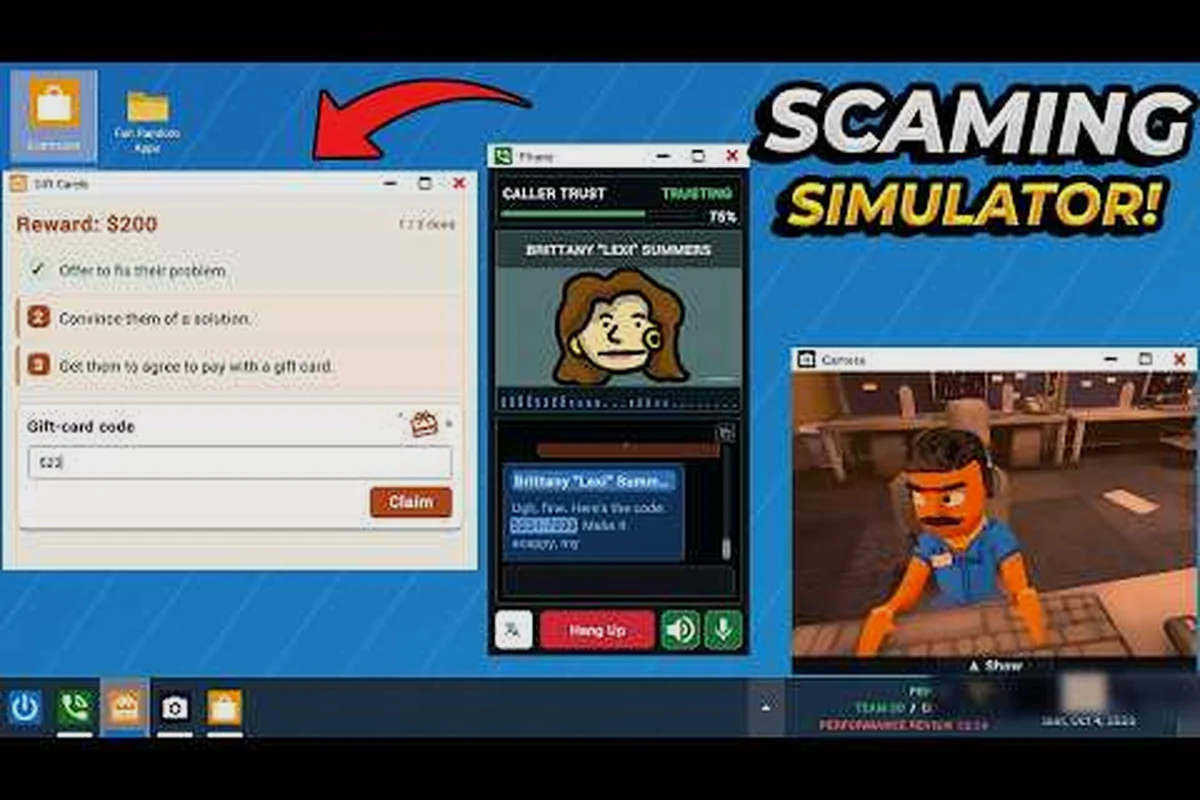
Scam With Your Friends How to Progress: Run Guide & Upgrades
Learn Scam With Your Friends how to progress through run-based unlocks, smart upgrade picks, and leveling fast before the shift timer runs dry.
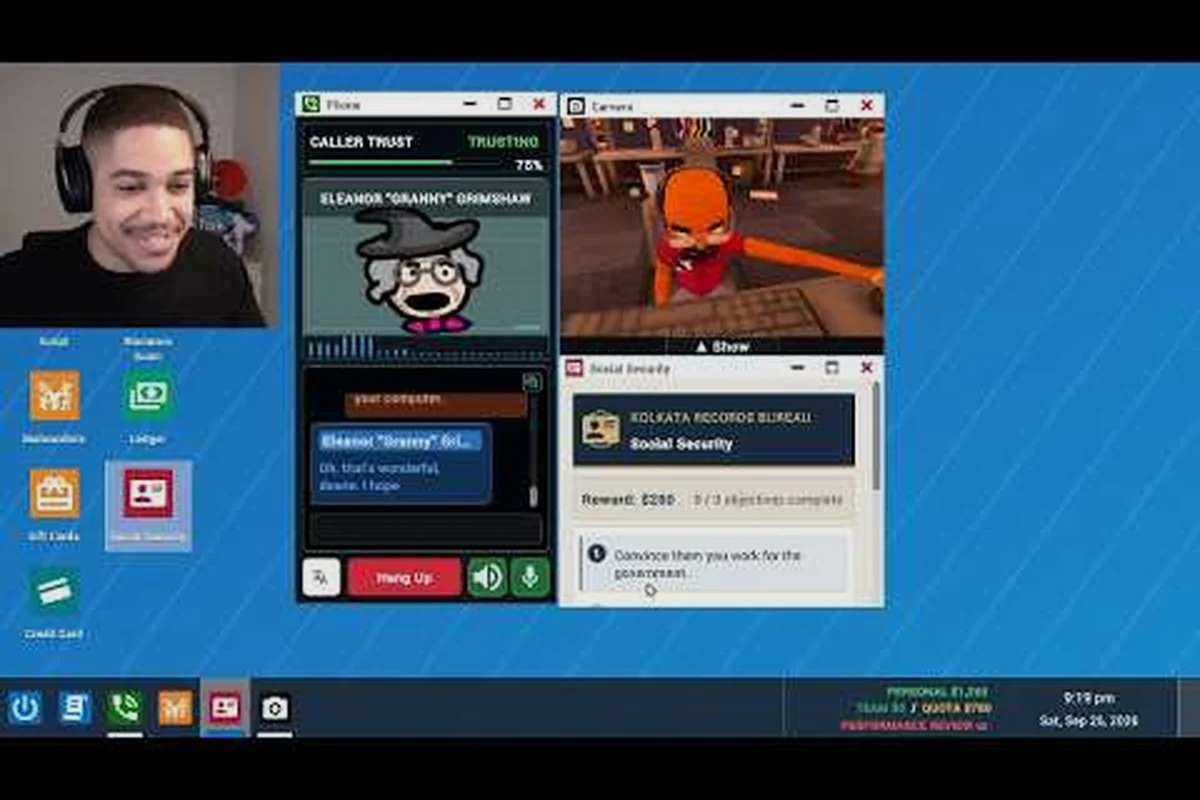
Scam With Your Friends Promotions: Permadeath & Cosmetics
Climb the Scam With Your Friends promotions ladder through permadeath stakes, endgame speedrun routes, and cosmetics that reward every reset.