
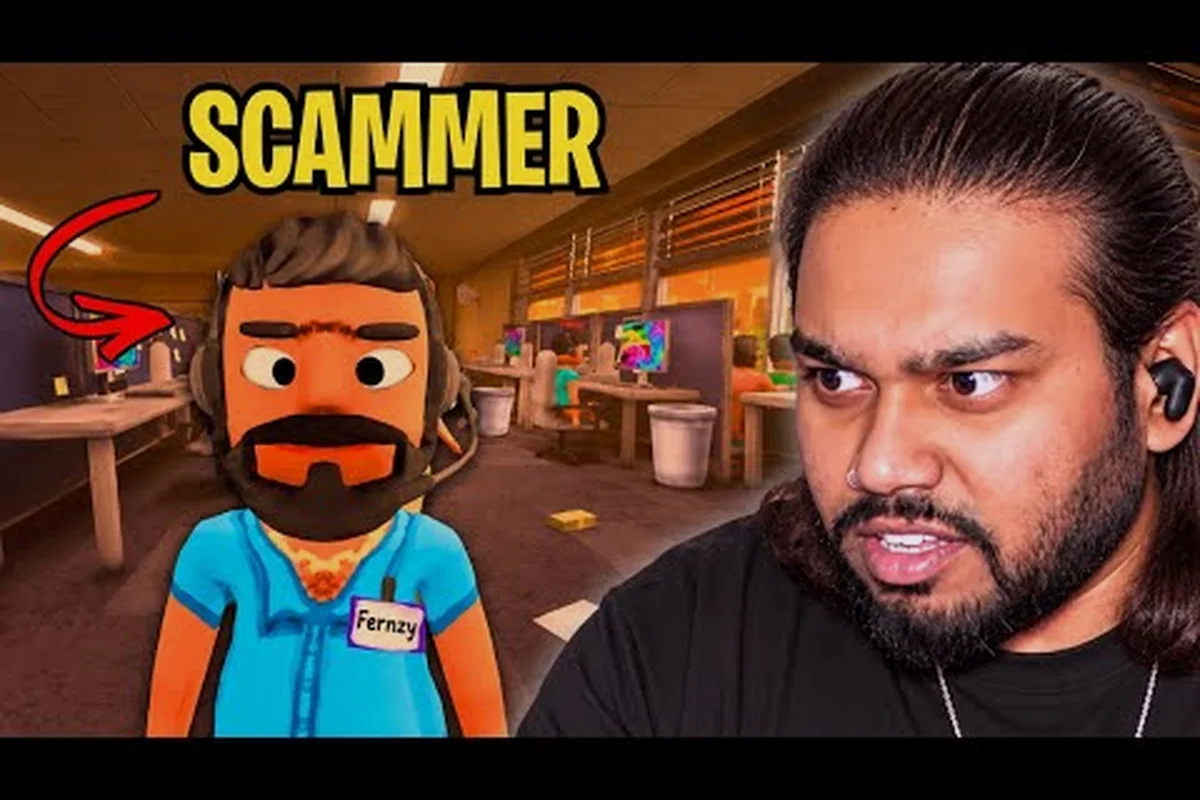
The lottery scam is the cleanest high-yield opener in Scam With Your Friends, because a fake prize gives every caller a reason to hand over details without suspicion. This guide walks the full pitch-to-payout loop, then shows how charity, insurance, and subscription angles extend the same conversation. Get the timing right and a single lottery call can bank more than three rushed phishing attempts.
Why the Lottery Scam Outperforms Every Other Opener
Most players treat the lottery pitch as a beginner trick and move on too early. In practice it scales better than almost any other script because the emotional hook — you already won something — removes the caller's natural defensiveness before you ask for a single credential. Lottery openers sit among the highest first-call conversion rates in the game, especially against callers flagged as gullible or elderly.
The core loop is short: announce a prize, create a small administrative obstacle, then collect the information that clears it. That obstacle is where most runs fall apart, because new players either rush the ask or over-explain the prize until the caller grows suspicious.
Reading the Caller Before You Pitch
Every caller's suspicion rises with pressure and falls with patience. The lottery scam works because the prize framing lowers it at the start, giving you a buffer to spend on the credential request later. Watch for hesitation in their replies — if the caller repeats your words back or asks for a callback number, you are already losing ground.
-
Gullible callers absorb a prize claim instantly and rarely question the fee.
-
Skeptical callers need a second detail (a ticket number, a draw date) before they relax.
-
Elderly callers respond well to authority framing like an official lottery commission.
-
Corporate callers almost never bite on lottery scripts — switch angles instead.
The Three-Phase Pitch Structure
Experienced players break the lottery call into three phases, and skipping any one of them usually costs the payout. Phase one establishes the prize, phase two introduces the small obstacle, and phase three converts the obstacle into a data request. The mistake is merging phases two and three, which spikes suspicion because the caller hears a demand before they have accepted the premise.
Keep each phase to two or three lines. The game rewards brevity here — long explanations read as rehearsed, and rehearsed lines make the caller disengage. If you want a deeper look at how caller personalities shift across runs, the caller types breakdown maps each profile to the scripts that actually land.
Pitching the Lottery Prize Without Triggering Suspicion
The opening line decides whether the rest of the call is even possible. A strong lottery pitch names a specific prize, a specific draw, and a specific reason the caller is being contacted right now. Vagueness is the single biggest cause of early hang-ups, because callers with no concrete detail have nothing to latch onto and default to distrust.
| Pitch Element | Weak Version | Strong Version | Suspicion Effect |
|---|---|---|---|
| Prize | "You won something" | "You won the regional draw" | Strong version lowers suspicion |
| Draw date | Omitted | "Last Tuesday's draw" | Adds credibility |
| Contact reason | "We're calling winners" | "Your ticket matched the second tier" | Removes the "why me" doubt |
| Urgency | "Claim now" | "Claims close Friday" | Mild pressure, still safe |
| Next step | "Give me your details" | "I just need to verify your ticket" | Delays the real ask |
Choosing the Right Prize Size
Prize size changes how the caller behaves. A prize that is too large reads as obviously fake, while one that is too small does not justify the administrative steps you are about to request. Mid-range amounts — enough to feel life-changing but still plausible for a regional draw — produce the best conversion across most caller profiles.
-
Small prizes work on cautious callers who would question a huge win.
-
Mid-range prizes are the sweet spot for most runs.
-
Huge prizes only land on the most gullible profiles and often trigger a verification demand.
Timing the Payout Request in a Lottery Pitch
The credential request should arrive after the caller has verbally accepted the prize, not before. A useful trick is to let the caller repeat the prize amount back to you — once they say it out loud, they have mentally committed, and the follow-up request feels like a formality rather than a trap. Waiting for that confirmation noticeably reduces mid-call collapses.
Converting the Lottery Win Into Credentials
This is where the lottery scam overlaps with the game's hacking systems. The prize is only the door; the payout comes from the data you extract once the caller trusts you. The cleanest path is to frame every request as verification of the win rather than as a request for private information, because callers guard credentials far more fiercely than they guard a prize claim.
| Data Requested | Cover Story | Difficulty | Typical Payout |
|---|---|---|---|
| Full name | Prize registration | Low | Small |
| Date of birth | Age verification for the draw | Low | Small |
| Bank details | "Deposit the winnings" | Medium | High |
| Account password | "Secure your prize portal" | High | Very high |
| Security answer | "Recover your winner profile" | High | Very high |
The Password Scam Follow-Up
The password request is the highest-value step and the riskiest. Asking outright almost always fails, so the working approach is to build a fake portal narrative: the caller needs to log in to a winner's dashboard, and you are "helping" them reset access. This is the same logic behind the password recovery workflow, where security questions and hints do the heavy lifting instead of a blunt credential demand.
When to Bail Out of the Call
Not every lottery call is worth finishing. If the caller grows suspicious before you reach the password phase, ending the call early preserves your caller pool and avoids a flagged number. In practice, a clean exit costs far less than a failed high-pressure attempt, because flagged numbers reduce your reach on subsequent days.
Layering Charity, Insurance, and Subscription Angles
The real depth of Scam With Your Friends comes from stacking scripts. A lottery win is a one-time event, but charity, insurance, and subscription pitches can be layered on top to keep the same caller engaged across multiple calls. Each angle reuses the trust you already built, which is why veteran players rarely run a single-script call.
| Angle | Core Hook | Best Caller Profile | Reuse Value |
|---|---|---|---|
| Lottery | You already won | Gullible, elderly | One-time, high burst |
| Charity | Guilt and social pressure | Warm, community-minded | Repeatable |
| Insurance | Fear of loss | Anxious, cautious | Repeatable |
| Subscription | Small recurring charge | Busy, inattentive | Long-term drip |
The Charity Scam as a Trust Rebuilder
After a lottery call, a charity pitch can repair suspicion that crept up during the credential phase. The framing is simple: the caller's "winnings" can be partially donated, and the charity needs a small processing fee. Because the caller already believes they have money coming, the fee feels trivial. This is the same social-engineering logic that makes the social engineering fundamentals so effective across rare caller profiles.
Insurance and Subscription as Long-Game Plays
Insurance scripts trade on loss aversion — the caller fears losing what they just gained, so a "protection plan" on the prize feels reasonable. Subscription scripts go the other way, hiding a small recurring charge inside a service the caller thinks is free. Both angles reward patience over burst damage, and both pair naturally with a lottery opener because the prize gives you a reason to keep calling back.
How to Convince Callers Who Push Back
Pushback is normal and does not mean the call is dead. The skill is recognizing which type of resistance you are facing and responding with the right counter. Players who treat every objection the same way tend to burn through callers fast, while those who match the counter to the objection convert far more often.
-
"This sounds like a scam" — agree mildly, then offer to verify through an official channel you control.
-
"I never entered a lottery" — pivot to a "you were auto-entered through a partner" explanation.
-
"I need to think about it" — introduce the closing deadline to create gentle urgency.
-
"I'll call you back" — offer to hold while they fetch their details, keeping the line open.
Voice and Pacing Matter More Than Script
The game models caller reactions to pacing, not just wording. Speaking in short, calm sentences keeps suspicion low, while rapid-fire lines read as pressure and push suspicion up. A useful habit is to pause after each caller response and let them fill the silence — many callers volunteer extra information when the line goes quiet, which you can then use to justify the next request.
Practicing on Low-Stakes Callers First
Before running a stacked lottery-charity-insurance chain, practice each script individually on low-value callers. This builds the timing instincts you need without risking a high-value target. Once a single angle converts reliably, layering becomes a matter of sequencing rather than improvisation, and the payout curve steepens quickly.
Frequently Asked Questions
What is the best prize amount for the lottery scam?
Mid-range prizes convert best across most caller profiles, because they feel life-changing yet still plausible for a regional draw. Larger amounts only work on gullible callers and often trigger a verification demand that ends the call early.
Can I combine the lottery scam with a charity pitch?
Yes, and stacking them is one of the strongest sequences in the game. The lottery win gives the caller a reason to trust you, and the charity fee then feels trivial because they believe money is already coming their way. Keep the fee small so suspicion stays low.
How do I get a caller to hand over a password?
Never ask directly. Build a winner's portal narrative where the caller needs to log in, then guide them through a "reset" that reveals the credential. Framing the request as account security rather than data collection is what keeps the caller from getting suspicious.
Why do my lottery calls keep failing early?
Early failures usually come from vague prize details or asking for credentials before the caller accepts the win. Name a specific prize, draw date, and contact reason, then wait for the caller to repeat the amount back before you make any request.
Is the lottery scam worth running late in a session?
It depends on your remaining caller pool. Lottery scripts are burst-damage plays with limited reuse, so they are strongest early when gullible and elderly callers are still available. Late in a session, switch to subscription or insurance angles that reward repeat contact instead.