
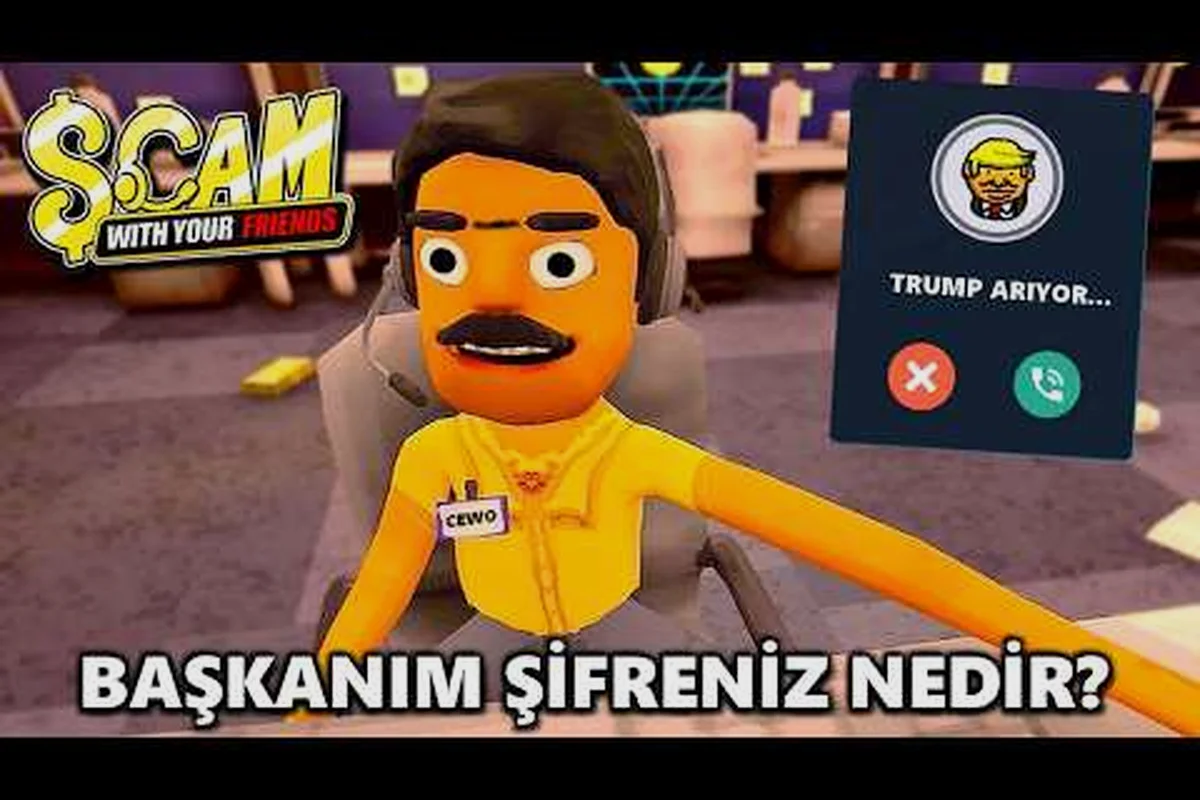
Climbing the corporate ladder in Scam With Your Friends comes down to surviving the boss's review, and knowing how to get promoted means reading your performance review before it reads you. This guide breaks down the review cycle, the rageaholic boss tells, and the exact steps that keep your name off the firing list.
How the Boss's Review Cycle Actually Works
Every promotion run in Scam With Your Friends is gated behind a scheduled review from the boss, and the review is not a cutscene you can skip. It is a scored event that pulls data from your recent shifts, so the outcome depends on what you did before the meeting, not on dialogue choices during it. Players who treat the review as a random event usually fail it, then wonder why their rank never moves.
The review arrives on a regular cadence once you clear the opening shifts, so you always know roughly when the next one lands. If you are still learning the shift loop itself, the beginner guide covers the controls and voice commands you need before reviews start mattering.
A review is not judged on quota alone. The boss weighs whether you hit your targets, how you treated the crew, and how you carried yourself when he started pushing — and only a clean all-round answer unlocks the promotion offer. The table below shows what actually moves the outcome.
| What the boss is judging | What raises it | What sinks it |
|---|---|---|
| Whether you hit your targets | Hitting or beating shift targets | Missing quota more than once |
| How you treat the crew | Sharing intel, covering a teammate | Throwing a teammate under the bus |
| How you handle being questioned | Calm, honest answers | Panicking or arguing back |
The single biggest mistake new players make is grinding quota and ignoring everything else. A spotless quota run with a crew that will not back you up still lands you a middling grade, which does not promote. You need balance, and you need to keep the boss calm while you build it.
What It Takes to Pass the Performance Review
The performance review is where most promotion attempts die, because the boss is stricter than the game ever states outright. In practice, the promotion offer only appears when the review comes back clean across the board, and anything short of that leaves you blocked for a full cycle.
The game never shows you a score. You get a short comment from the boss, and that comment is your only real hint about what dragged you down. Reading it carefully is how experienced players diagnose a failed review instead of guessing.
| Boss reaction | Promotion Offer | What it usually means |
|---|---|---|
| Praising | Yes, and it counts extra | Everything landed |
| Approving | Yes | Clean all-round review |
| Flat | No | One area quietly dragged you down |
| Sharp | No, one cycle blocked | Something needs fixing before the next review |
| Hostile | No, and a risk of firing | The review went badly from the start |
If the review comes back flat or sharp, do not panic — you have one cycle to recover before the next one, and recovery is very doable if you fix the weakest area first. The fired guide explains what happens if you let that window close, including how permadeath and restarting a run interact with a failed review streak.
One more detail that trips people up: the review leans on your recent shifts rather than your whole career. A strong early game does not carry you. If you slacked off lately, the review reflects that, so keep your recent shifts clean rather than coasting on old wins.
Reading the Rageaholic Boss Before He Blows Up
The rageaholic boss is the wildcard that turns a passing review into a failed one, and he escalates on a predictable schedule if you feed him the wrong inputs. He is not random. He reacts to specific triggers, and once you learn the tells, you can keep him calm through an entire review.
His escalation runs through visible stages, and each stage changes how he responds to your answers. Community players describe pressure building faster when you hesitate, contradict yourself, or dodge blame onto teammates. The tell is behavioral, not verbal: a calm boss keeps his arms crossed and his breathing steady, but once he starts tapping the desk and firing short replies, you are already in trouble and losing ground on every vague answer. The trap most crews fall into is treating the review as a single check rather than a running total — a slow, honest admission about a missed quota costs you far less than a fast lie that contradicts your own earlier numbers, because he weighs everything you say against everything you have already said.
| Stage | Visual Tell | Safe Response | Dangerous Response |
|---|---|---|---|
| Calm | Steady breathing, arms crossed | Direct, honest answers | Bragging about quota |
| Irritated | Tapping desk, short replies | Acknowledge the concern | Blaming a teammate |
| Heated | Raised voice, leaning in | Stay factual, no excuses | Arguing back |
| Rage | Shouting, slamming desk | Apologize, then go quiet | Any further pushback |
The key insight is that the rageaholic boss punishes deflection more than failure. Admitting a missed quota calmly costs you a little ground but keeps the review alive. Blaming a crewmate to protect your score angers him instantly and can flip a passing review into a failing one on the spot.
If you want to understand how bad shifts snowball into these confrontations, the survive a bad day guide walks through quota fails and the recovery loop that keeps a rough cycle from becoming a review disaster. Managing a single bad day well is often the difference between a promotion and a warning.
Step-by-Step Plan to Earn the Promotion
Getting promoted is a repeatable process once you stop treating it as luck. The plan below is built from the review mechanics above and works whether you are running solo or with a full crew. Follow it in order across a full cycle and your next review should come back clean.
- Track your quota pace mid-cycle, not at the end — if you are behind by the halfway point, adjust your scam targets immediately rather than gambling on a late surge.
- Bank one gesture for the crew per shift — share a tip, cover a teammate, or split a payout fairly. Small consistent gestures beat one big heroic save.
- Rehearse calm review answers — decide in advance how you will respond to a missed quota so you do not panic when the boss leans in.
- Never deflect during the review — own mistakes plainly, because the rageaholic boss reads blame-shifting as an attack.
- Keep your recent shifts clean — the review only samples recent history, so a strong finish matters more than a strong start.
- Check the boss's comment after every review — his wording tells you which area to fix before the next cycle.
The order matters because the review rewards balance rather than one standout number. Staying calm sets the floor, the crew backing you up lifts the whole result, and steady quota pace is the base everything else rests on. Players who fix their composure but ignore the crew still stall at the same grade, because a review with nobody vouching for you never crosses the line — you can ace every calm answer and still watch the boss hand you the same result. Balance all three and the offer appears on its own.
Solo vs. Crew Promotion Paths
Solo runs promote faster on quota because you keep every payout, but they struggle on the crew side since there is nobody to vouch for you. Crew runs flip that: support is easy, but shared payouts slow your quota pace. Pick your path based on which side you can realistically carry, and lean into it rather than trying to be average at everything.
Timing Your Promotion Push
Do not start a promotion push right after a messy cycle. Wait one clean cycle to flush the bad data out of your review window, then push hard. This is the same patience logic behind the beginner mistakes guide, which covers the early errors that quietly poison your review history before you even realize reviews exist.
Recovering From a Failed Review
A failed review is not the end of your run, but it does start a clock. After a failure the next review is judged more harshly, and a second failure can trigger the firing sequence. The recovery path is narrow but clear: fix the single weakest area and avoid any new incidents.
The table below maps common failure reasons to their fastest fixes, based on player-reported recovery runs. Each row points at a different weak spot: a Missed Quota Twice flag usually means your numbers slipped, so the fix is running lower-risk scams and banking targets before the review window closes, while a Betrayed a Teammate flag is best patched by publicly splitting payouts or covering a shift. Note that two separate flags — Argued With Boss and Panicked Mid-Review — resolve the same way, which is why pre-planning your answers and slowing your responses during the review pays off twice. Coasted On Old Wins is the costliest flag because it drags everything down at once, forcing you to rebuild recent-cycle results from scratch rather than patching a single weakness.
| Failure Reason | What it points at | Fastest Fix |
|---|---|---|
| Missed quota twice | Your numbers slipped | Lower-risk scams, hit targets early |
| Betrayed a teammate | The crew stopped backing you | Publicly split payouts, cover a shift |
| Argued with boss | The review went badly | Apologize, stay quiet next review |
| Panicked mid-review | The review went badly | Pre-plan answers, slow your responses |
| Coasted on old wins | Everything at once | Rebuild recent-cycle results from scratch |
The most important rule after a failed review is do not gamble. Risky scams that could spike your quota are also the ones most likely to cause an incident, and an incident during that stretch is what pushes you toward getting fired. Play safe, hit targets steadily, and let the review window refill with clean data.
If you do end up on the firing track, understanding the permadeath and restart systems ahead of time saves you a lot of frustration, which is exactly what the fired guide linked earlier covers in detail. Knowing the recovery rules before you need them keeps a bad review from ending a promising run.
Boss Guide: Habits That Keep You Promotable
Long-term, promotion stops being about any single review and becomes about habits. The players who climb fastest in Scam With Your Friends are the ones who treat every shift as review prep, not just the shifts right before a meeting. That mindset shift is what separates a one-time promotion from a steady climb up the ranks.
Three habits carry most of the weight. First, consistent quota pacing keeps your numbers stable without risky spikes. Second, proactive gestures toward your crew keep support high even when you are not the star performer. Third, emotional control in front of the boss stops that from ever becoming your weak link. None of these require special skill — they require repetition.
A useful benchmark: players who keep all three areas strong across consecutive reviews report the promotion offer appearing reliably, while players who max out one area and neglect the others report the same middling grade again and again. The game rewards balance, and the review is designed to catch specialists who ignore the soft skills.
Finally, remember that the review samples recent history, so your habits in the two cycles before a review matter more than anything you did months ago. Stay consistent, keep the rageaholic boss calm, and the promotion will follow on schedule rather than by luck.
Frequently Asked Questions
What do I need to get promoted?
You need a clean review across the board rather than one strong number. The offer appears when you hit your targets, keep the crew on side, and stay calm while the boss pushes. Fall short in any one of those and you stay blocked for a full cycle.
Why did my review fail even though I hit quota?
Quota is only part of the picture. A failed review usually means you lost the crew or lost your composure — often from deflecting blame or winding up the rageaholic boss during the meeting. Check the boss's comment to find which part let you down.
How do I calm the rageaholic boss during a review?
Stay factual and own your mistakes plainly. The rageaholic boss escalates fastest when you deflect blame onto teammates or argue back. A calm apology followed by silence de-escalates him, while any pushback winds him up further and can flip a passing review into a failing one.
Can I recover after getting fired?
Yes, but the recovery window is tight. A failed review puts you on probation with harsher scoring, and a second failure can trigger the firing sequence. Fix your weakest track immediately, avoid risky scams, and let two clean cycles refill your review data before pushing for promotion again.
Does solo or crew play promote faster?
Solo runs promote faster on quota because you keep every payout, but they struggle to build crew support. Crew runs make support easy but slow your quota pace through shared payouts. Pick the path that lets you carry your strongest side instead of being average at everything.