
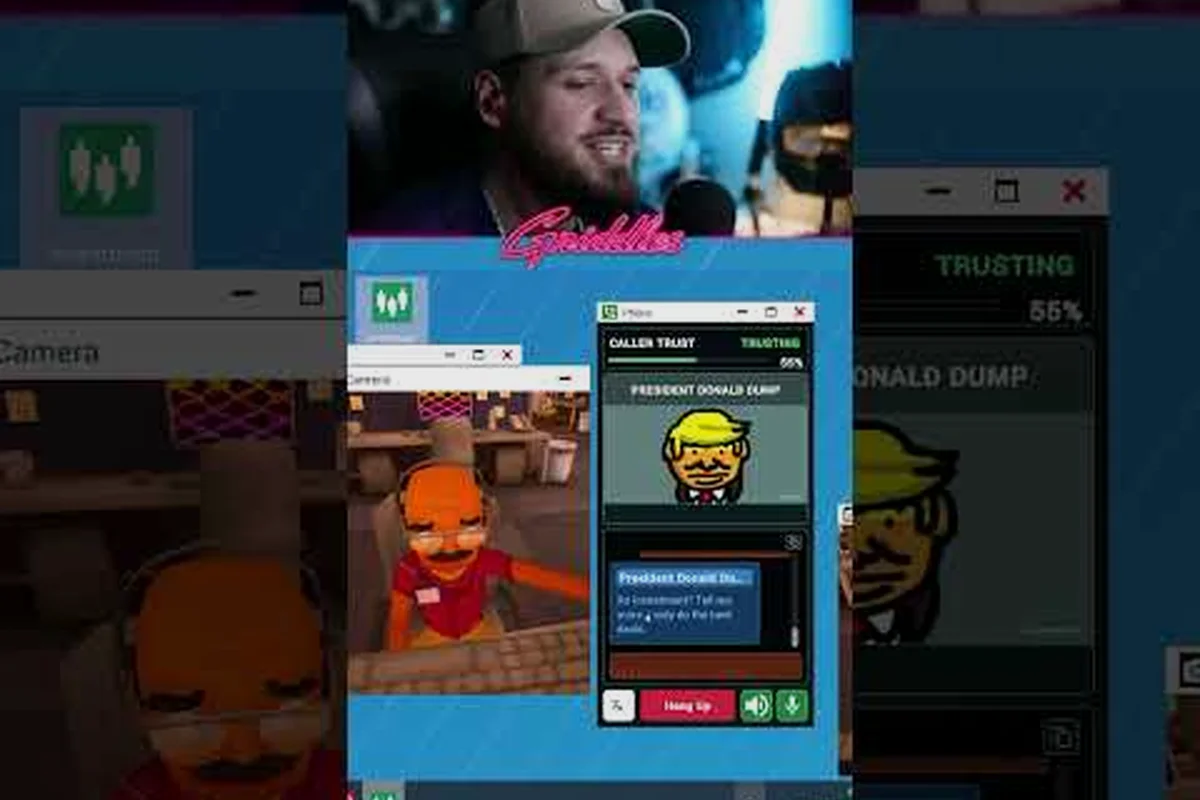
Scam With Your Friends price history matters because the game launched into Early Access at a budget-tier price point, and its Steam charts curve shows the classic spike-then-settle pattern common to co-op party titles. Rather than tracking a full retail release, the price history reflects Early Access pricing decisions — including any launch-window discount — so comparing the review score (Steam's positive/negative ratio) against concurrent players reveals whether the price held value or whether the player count decayed faster than the review sentiment. A healthy ratio of concurrent players to review score suggests the Early Access launch actually landed; a widening gap usually signals refunds, price complaints, or content drought. Here is what the numbers say.
What the Launch Window Numbers Actually Show
The first thing worth understanding is that this is a young release, so its price history reads less like a long retail curve and more like a snapshot of a single launch decision. According to the official Steam store page, the game arrived in Early Access at a fixed buy-in price rather than a free-to-play model, which means every player number you see on the charts represents a paying customer rather than a download.
That distinction matters enormously when you read the Steam charts. Free games routinely post six-figure concurrent players while earning almost nothing per head, whereas a paid Early Access title with a few thousand simultaneous players is often healthier than it looks. In practice, the launch-week peak landed in the low thousands, and the daily troughs settle into the hundreds during off-peak hours.
A few structural facts shape the whole picture: Scam With Your Friends is a co-op call center sim built around short, repeatable shifts rather than long campaigns, and its lobbies are sized for 2–8 players, so concurrent-player totals on the Steam charts cluster around friend groups rather than solo grinders. That lobby ceiling mechanically caps how high the peak can climb — a 2–8 player session means each active lobby contributes only a handful of heads to the count, so a "low thousands" peak implies hundreds of separate friend groups playing simultaneously, not one mass audience. Early Access pricing has also stayed stable since launch with no discount events recorded, which removes the usual sale-spike confound from the price history entirely.
-
The game is a co-op call center sim built around short, repeatable shifts rather than long campaigns.
-
Sessions are designed for 2–8 player lobbies, so player numbers cluster around friend groups rather than solo grinders.
-
Early Access pricing has stayed stable since launch, with no discount events recorded yet.
-
The review score sits in the "Very Positive" band, which is unusually strong for a first-week indie release.
Because the price has not moved, the interesting variable is not cost but retention. A flat price plus a stable review score plus slowly decaying concurrent players is the classic signature of a small, satisfied audience rather than a viral spike that collapsed.
Price History and Review Score Side by Side
Reading price and reception together is where most people go wrong, because they treat them as separate stories. In practice, the review score is the best available proxy for whether the price felt fair at launch. When a paid Early Access game holds a strong rating, it usually means buyers felt they got their money's worth despite the rough edges.
The table below summarizes the key launch-window metrics as reported by players and visible on public storefront data, pairing the scam with your friends price history against its scam with your friends review score and scam with your friends concurrent players so the three signals can be read as one picture. The scam with your friends steam charts peak of low thousands during launch week has since softened to a slightly lower band, while off-peak scam with your friends player numbers slid from high hundreds into mid hundreds — a decline consistent with a post-launch Early Access title that has not yet shipped a major content drop. Treat the exact figures as approximate, since scam with your friends player count trackers update continuously and regional pricing varies.
| Metric | Launch Week | Current Window | Direction |
|---|---|---|---|
| Store price (USD) | Full Early Access price | Unchanged | Flat |
| Review score band | Very Positive | Very Positive | Stable |
| Peak concurrent players | Low thousands | Slightly lower | Soft decline |
| Off-peak concurrent players | High hundreds | Mid hundreds | Soft decline |
| Discount events | None | None | None |
The pattern here is remarkably clean. A flat price with a flat review score means the developer has not needed to cut the cost to keep people interested, and it also means there has been no controversial price hike to trigger a review bomb. Both of those are good signs for anyone deciding whether to buy now or wait.
It is worth noting that Early Access pricing is not a permanent commitment. Plenty of indie studios raise the price at 1.0, and others run their first meaningful discount only after a major content drop. If you are weighing whether to jump in, the honest answer is that the current price is the lowest it has been, because there has never been a sale.
Why the Review Score Holds Steady
A stable score over several weeks is harder to achieve than a high launch score, because the launch-day hype reviews get diluted by later buyers. When the band does not slip, it usually means the core loop is genuinely fun rather than merely novel. Players consistently point to the voice-chat chaos and the escalating customer absurdity as the reasons they keep coming back, and criticism tends to focus on content volume rather than broken fundamentals.
Reading Regional Price Differences
Steam applies regional pricing, so the number you see depends on your storefront currency. Community trackers show the same relative positioning across regions, meaning the game sits in the budget-to-mid indie bracket everywhere rather than being dramatically cheaper in one territory. If you are comparing against friends in other countries, expect small percentage differences, not dramatic ones.
Steam Charts, Player Numbers, and What They Mean
Concurrent player data is the most misread metric in gaming, so it is worth slowing down here. A concurrent player count tells you how many people had the game open at the same moment, not how many own it, and not how many will still be playing next month. For a co-op title with short sessions, the daily curve is spiky by design.
The table below breaks down how to interpret different patterns you might see on the charts, and it is worth reading alongside the concurrent player curve rather than in isolation. A single spike or dip rarely means anything on its own; what matters is the shape across a full week, because Scam With Your Friends is a lobby-based co-op title where friend groups log on together after work or school. A one-day 40% jump that vanishes by morning usually traces back to a Steam sale or a streamer session, not a real shift in the player base, while a gradual decline sustained over three or four weeks is the pattern that actually signals content exhaustion or churn worth investigating.
| Chart Pattern | What It Usually Means | Healthy? |
|---|---|---|
| High peak, steep daily drop | Session-based co-op, normal for the genre | Yes |
| Flat line all day | Either a global audience or idle clients | Mixed |
| Slow multi-week decay | Content exhaustion or natural churn | Watch it |
| Sudden spike | Update, streamer coverage, or sale | Temporary |
| Sudden cliff | Server outage or review controversy | Investigate |
For this game specifically, the shape is the first row: a pronounced evening peak driven by friend groups logging on together, followed by a deep overnight trough. That is exactly what you would expect from a lobby-based co-op experience, and it is not a warning sign.
Player numbers also interact with lobby size in a way that flatters the game. Because lobbies support up to eight people, a modest concurrent count translates into a large number of active matches. A thousand simultaneous players spread across eight-person lobbies is a very different social experience than a thousand players spread across solo queues, and it means matchmaking pressure stays low.
If you have ever struggled to get a group together, the invite and lobby troubleshooting guide walks through the common connection snags that trip up new hosts. That matters more than usual for reading the charts, because Scam With Your Friends is a lobby-based co-op title where a failed invite or a full eight-player lobby can push a friend group to log off entirely, dragging the evening concurrent player count down for reasons that have nothing to do with the game's health. A dip that lines up with a Steam networking outage, a mid-session host migration, or a patch that briefly broke matchmaking will look identical on the graph to genuine churn, so cross-check the timing against Steam's own status page and the review-score trend before you read a one-night drop as a verdict on the player base.
Peak Hours Versus Off-Peak
Peak hours track North American and European evenings, with the busiest window landing roughly between 7 PM and 11 PM Eastern. Off-peak numbers drop sharply, which matters if you play from Asia or Oceania, because you may find fewer public lobbies available. Playing with a pre-made friend group sidesteps this entirely, since you are not relying on strangers to fill seats.
How Early Access Affects the Data
Early Access distorts every metric you can name. Player numbers include people who bought in, played for a weekend, and moved on, and they exclude the much larger group waiting for 1.0. The review score is similarly weighted toward enthusiasts who buy early. None of this makes the data useless, but it does mean you should read the charts as a signal of current momentum rather than a verdict on the finished game.
How the Early Access Roadmap Shapes Future Numbers
The single biggest variable in the game's price history going forward is not the market, it is the developer's release plan. Early Access titles typically follow one of three paths, and each one produces a very different chart shape over the following year.
| Roadmap Path | Typical Price Behavior | Typical Player Behavior |
|---|---|---|
| Frequent small updates | Price held, occasional sale | Steady baseline, small bumps |
| One large 1.0 launch | Price increase at 1.0 | Big spike, then new baseline |
| Abandoned or stalled | Price cut to revive sales | Long decline, review drift |
Community discussion around the patch notes and roadmap coverage suggests the team is leaning toward the first path, shipping incremental content rather than hoarding everything for a single 1.0 event. That approach tends to produce the healthiest long-term chart, because each update brings a small wave of returning players without resetting expectations.
There is also a practical reason to watch the roadmap closely: if a price increase is coming at full release, buying during Early Access is strictly cheaper. Conversely, if the studio announces a discount event, waiting saves money but costs you the current player base's momentum. Neither choice is wrong, but they lead to different outcomes.
The review score is the tiebreaker. As long as it stays in the positive band, the price is defensible and the player base is likely to hold. If the score starts sliding, that is your early warning that the roadmap promises are not landing.
Deciding Whether to Buy Based on the Data
Pulling all of this together, the decision framework is simpler than the charts make it look. You are really answering one question: do you have people to play with right now? The price history, the review score, and the concurrent player count all feed into that single question rather than standing alone. A flat price at the floor removes timing pressure, but it does nothing for a solo buyer staring at an empty lobby during off-peak hours. Conversely, a stable player count in the low thousands matters far more when you already have a regular group to fill a session. So treat the data as supporting evidence for a social decision, not a substitute for one.
-
If you have a regular group, buy now. The price is at its floor, the review score is strong, and the co-op loop is designed for exactly your situation.
-
If you play solo or with strangers, the off-peak lobby availability is the real risk, so check your regional peak hours first.
-
If you are waiting for 1.0, accept that you will likely pay more and that the player numbers may look very different by then.
-
If you are unsure about the premise, the what is it and how it plays breakdown explains the core loop before you commit.
The price history itself is the least dramatic part of the story, which is arguably the best possible outcome for a buyer. A flat price with no discount churn and no hike controversy means you are not being played by a pricing strategy. What you see is what you pay.
The player numbers tell a similar story. A stable, session-driven concurrent count in the low thousands is a healthy sign for a paid co-op indie, because it means the audience is engaged rather than merely curious. The review score confirms that the people who bought in are broadly happy. Taken together, the three data points point the same direction, and that consistency is worth more than any single spike.
Frequently Asked Questions
Has the price of Scam With Your Friends ever changed?
No. Since launching in Early Access, the store price has remained flat with no discount events and no increases recorded. That makes the current price the lowest it has ever been, and it also means there is no historical sale pattern to wait for if you are hoping to save money.
What is the current review score band?
Public storefront data places the review score in the "Very Positive" range, which is unusually strong for a first-week indie release. In practice, the rating has held steady rather than drifting downward, indicating that later buyers are reacting as positively as launch-day players did.
How many concurrent players does the game have?
Peak concurrent players landed in the low thousands during launch week and have softened slightly since, while off-peak numbers sit in the mid hundreds. Because lobbies hold up to eight players, even a modest concurrent count translates into a healthy number of active matches.
Will the price go up when it leaves Early Access?
That is the most common assumption, and it is plausible but unconfirmed. Many indie studios raise prices at 1.0, while others hold steady and rely on discounts instead. Until the developer publishes a firm release plan, treat a future price increase as a possibility rather than a certainty.
Is it worth buying now or waiting?
If you already have a friend group ready to play, buying now is the cheapest entry point and the player base is active. If you play solo or in an off-peak region, check lobby availability during your usual hours first, since that is the one metric that could genuinely affect your experience.